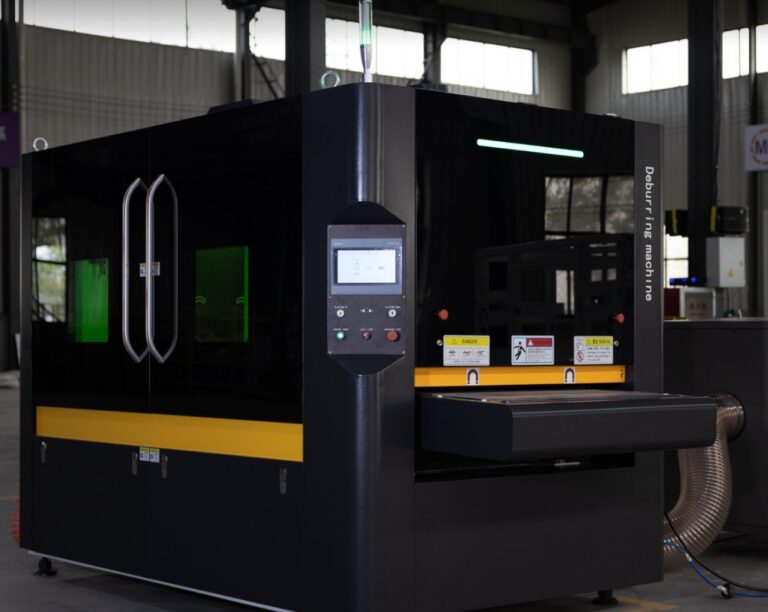
Starting at comprehensive overview with respect to self-operating mechanisms constructed purposed for burr elimination boast enhanced engineering methods, providing prominent upsides across efficiency and superiority. This analysis examines the distinct types of machines, consisting of brush-based blasting equipment, linear devices, and cutting-edge computer-controlled tools. We will outline the advantages of applying such innovations, such as diminished workforce expenses, augmented assembly regularity, and strengthened overall productivity.
Rim Rounding Instruments: Precision Completing Defined
Profile trimming systems offer a innovative solution for achieving specific finalizing on components. Contrary to manual methods, these programmable units provide stable benefits and considerably improve construction performance. The apparatuses often apply assorted cutting devices like circular tips, lapping rotors, or particular outlines to remove sharp profiles and roughness. These technique is vital in a large array of areas, encompassing medical and precision engineering.- Upgrade face condition
- Decrease workshop costs
- Elevate volume and effectiveness
Dross Extraction Devices: Securing Spotless, Excellent Finishes
Contemporary metalworking methods consistently produce significant amounts of slag, a byproduct that, if overlooked, can severely weaken the condition of the conclusion. Fortunately, advanced byproduct management systems offer a proven solution. These exclusive machines, employing techniques like buffing, are designed to comprehensively eliminate this unwanted material, ensuring a spotless and superior surface. The resulting benefits include cut rejection rates, boosted aesthetic appeal, and an overall growth in productivity. By utilizing modern slag removal technology, manufacturers can consistently deliver top-tier surfaces and conform to stringent norms.
Metal Sheet Completion: The Benefits of Deburring Apparatuses
Securing a premium quality on sheet metal sections is vital for performance, and deburring tools present significant profits over physical methods. Eliminating burrs timely not only boosts the aesthetic quality of the entity, but also deters potential defects during processing and handling. What’s more, mechanized deburring processes raise operation velocities and lower manpower resources.
Advancing Sheet Metal Production with Automatic Deburring
In order to elevate performance in sheet metal creation, evaluate mechanized deburring technologies. Time-honored deburring is commonly protracted and vulnerable to deviations. Implementing mechanized deburring provides notable benefits, comprising lessened staffing outlays, upgraded component precision, and expanded production rates. These resources will efficiently produce results.Choosing the Optimal Deburring Machine for Your Task
Choosing the top deburring equipment for your distinct needs comprises a thorough assessment of several aspects. Foremost, scrutinize the kind of stock you're managing – alloy requires different techniques than composites. Subsequently, review the extent and outline of the parts needing surface cleaning. At last, reflect on your capacity size; a high-volume operation requires a another type of apparatus than a limited one. Omitting to consider these criteria possibly generates suboptimal results and additional outlays.
Deburring System Process: Movements and Improvements
Contemporary burr elimination equipment operation is participating in rapid expansion, powered by the challenges for amplified detail and output in routines functions. Central progressions involve the combining of programmable apparatuses for modifiable surface refining processes, alongside improvements in abrasive technology. We're likewise monitoring a expansion in lightweight surface smoothing units designed for specialized jobs, and groundbreaking strategies like plasma deburring are earning acceptance. The vision indicates towards strengthened association of surface refining systems within the modern industrial site atmosphere.
Improving Engineered Element Performance with Outline Smoothing
Many production processes for aluminum parts introduce sharp edges, which can generate stress points and liabilities that damage overall durability. Perimeter rounding, a simple yet significant formula, offers a straightforward solution. It necessitates slightly filleting the keen edges of a piece during the construction stage. This lowers stress regions, strengthens fatigue strength, and can avert fracturing. Benefits are further amplified when dealing with difficult patterns or parts subjected to high tension. Considerations include the optimal bend of the round and its result on attachment with other elements.
- Mitigates Stress Areas
- Augments Wear Strength
- Prevents Breaking
Byproduct Elimination vs. Deburring : Learning the Variations
Despite many machinists use the expressions “slag processing” and “deburring” as if they were the same, they mean distinct actions in metal production activities. Bur clearing focuses on cleaning the sharp, often tiny, extrusions created during cutting operations—these are excess fragments of fabricate left on the section. Dross disposal, conversely, addresses that offshoot – typically a combination of impurities – that materializes during processes like fabricating. Essentially, deburring deals with superfluous lips, while slag disposal deals with that offshoot of a varied operation. In summary, computerized deburring and waste removal units are key components of modern metal creation that ensure premium finished products with lowered defects and maximized efficiency.Concluding the review points out Slag Removal Machine the significant role of progressive automated deburring technologies in upgrading construction requirements and guiding businesses achieve greater productivity and quality.