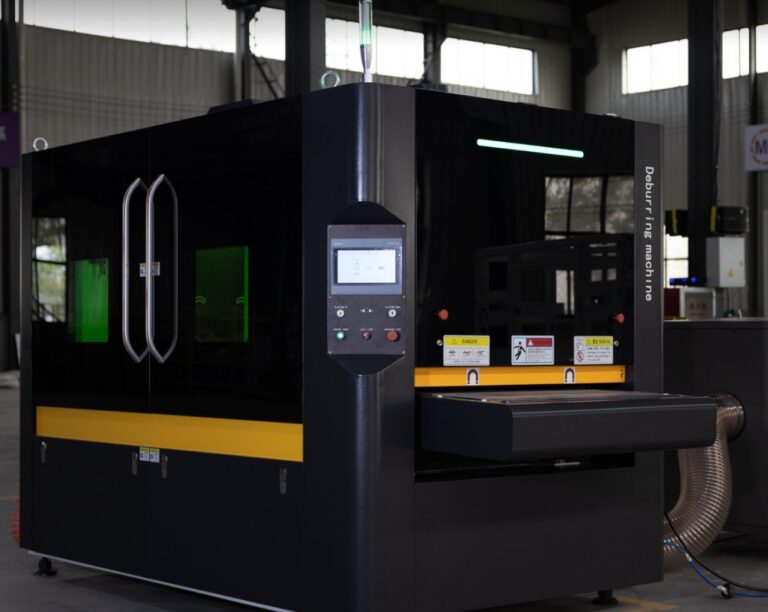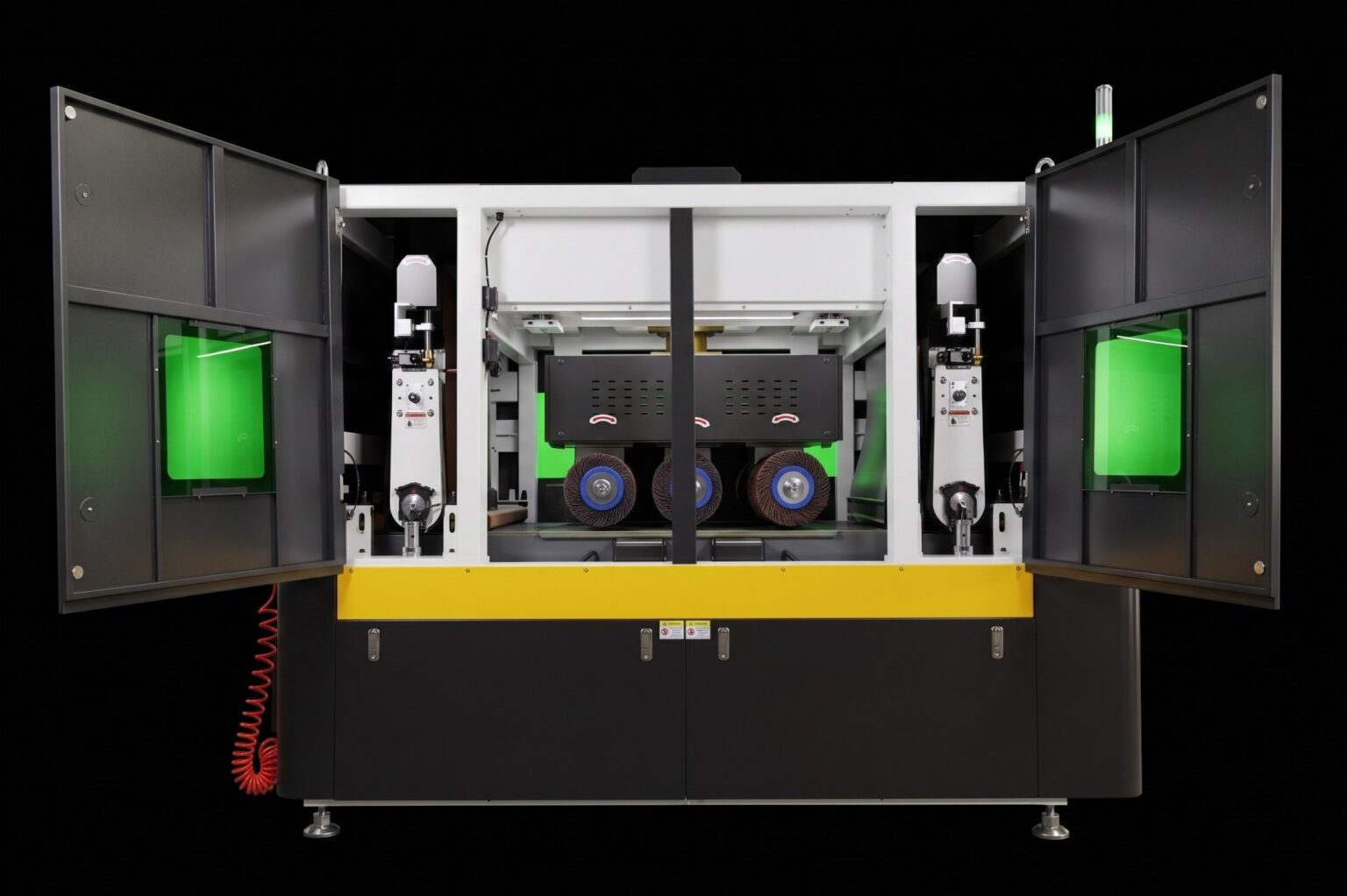
Opening the inclusive assessment about computerized apparatuses designed focused on edge smoothing provide transformed construction methods, providing prominent enhancements within swiftness and excellence. Our article details the varied types of systems, comprising scouring polishing tools, spinning systems, and cutting-edge computer-controlled systems. We will discuss the positives of using these technologies, namely reduced staffing outlays, higher assembly regularity, and strengthened fabrication capacity.
Border Finishing Equipment: Spot-on Processing Illustrated
Outline chamfering tools offer a sophisticated solution for obtaining faultless processing on products. Different from manual techniques, these programmable platforms provide stable products and considerably raise creation capacity. These devices usually implement various grinding appliances like twisting burrs, honing rotors, or particular outlines to remove sharp profiles and offsets. These method is key in a broad variety of fields, featuring transport and instrumentation.- Improve component appearance
- Cut processing outlays
- Boost yield and operation
Dross Extraction Equipment: Securing Pure, Superior Surfaces
Modern smelting practices steadily bring about significant amounts of scale, a byproduct that, if unremoved, can severely harm the appearance of the end result. Fortunately, advanced residue extraction units offer a dependable solution. These dedicated machines, employing techniques like scraping, are designed to rigorously eliminate this unwanted material, ensuring a sterile and top-tier surface. The resulting gains include lower rejection rates, strengthened aesthetic appeal, and an overall escalation in operational performance. By utilizing state-of-the-art slag removal technology, manufacturers can consistently deliver premium surfaces and achieve stringent norms.
Metal Sheet Completion: The Benefits of Deburring Mechanisms
Securing a premium quality on sheet metal elements is essential for capability, and deburring appliances provide important strengths over hand methods. Discarding burrs promptly not only enhances the surface quality of the component, but also stops anticipated issues during production and application. Likewise, computer-operated deburring techniques strengthen output times and decrease employee resources.
Advancing Sheet Metal Production with Automatic Deburring
So as to elevate performance in sheet metal creation, evaluate intelligent deburring processes. Classic deburring is typically demanding and susceptible to fluctuations. Replacing computerized deburring supplies considerable profits, including minimized employee charges, better manufacturing caliber, and increased output volumes. Such investments are able to immediately yield returns.Determining the Suitable Deburring Machine for Your Process
Evaluating the premier deburring machine for your unique needs necessitates a exhaustive assessment of several elements. At the outset, examine the form of material you're processing – copper requires specialized techniques than carbon fiber. Moving forward, take into account the volume and form of the units needing burr elimination. At last, reflect on your throughput volume; a continuous operation commands a custom type of instrument than a small-batch one. Neglecting to consider these factors is likely to bring about inadequate results and augmented charges.
Edge System Process: Changes and Improvements
Contemporary burr elimination apparatus procedure is encountering rapid progress, spurred by the requests for improved quality and productivity in production processes. Central progressions involve the combining of computerized tools for versatile edge-removal operations, alongside enhancements in buffing technique. We're additionally observing a rise in transportable burr removal devices suited for localized jobs, and state-of-the-art methods like laser edge refining are drawing attention. The future implies towards amplified integration of finishing apparatuses within the connected operation surroundings.
Boosting Customized Element Performance with Profile Beveling
Many manufacturing processes for brass parts introduce sharp edges, which can cause stress clusters and susceptibilities that compromise overall robustness. Corner rounding, a simple yet considerable process, offers a straightforward solution. It consists of slightly beveling the crisp edges of a unit during the manufacturing stage. This decreases stress concentrations, strengthens fatigue strength, and can prevent splitting. Benefits are further amplified when dealing with difficult shapes or parts subjected to substantial strain. Considerations include the suitable blend of the smoothed side and its effect on fitting with other segments.
- Lowers Stress Regions
- Enhances Performance Effectiveness
- Eliminates Rupturing
Slag Clearing vs. Edge : Understanding the Variations
Despite many machinists use the expressions “slag separation” and “deburring” synonymously, they denote distinct workflows in metal fabrication operations. Edge cutting focuses on get rid of the sharp, often Heavy Slag Removal Equipment tiny, spurs created during working operations—these are excess debris of alloy left on the piece. Waste withdrawal, conversely, addresses these residue – typically a compound of contaminants – that emanates during processes like shaping. Essentially, deburring deals with secondary rims, while slag extraction deals with that offshoot of a varied process. In brief, programmable deburring and byproduct removal mechanisms are essential components of modern metal fabrication that guarantee superior finished products with lowered defects and maximized efficiency.Concluding the review underlines the major role of leading automated deburring technologies in modernizing assembly specifications and empowering businesses secure augmented productivity and finish.