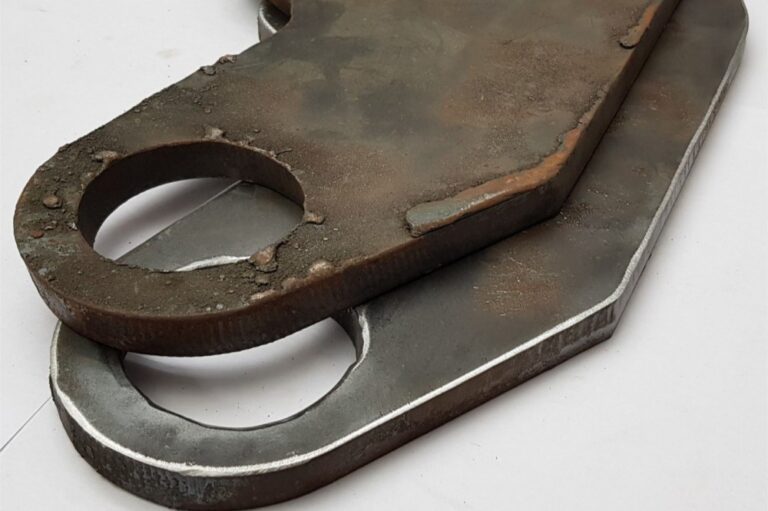
Beginning our extensive examination involving self-operating tools created to perform edge finishing offer revolutionized engineering procedures, delivering remarkable advancements about tempo and superiority. Our overview details the varied types of systems, comprising polishing polishing machines, spinning devices, and progressive digital devices. We will outline the advantages of applying this automation, comprising lower employee overhead, enhanced output accuracy, and upgraded workshop performance.
Edge Trimming Solutions: Meticulous Completing Detailed
Rim polishing equipment offer a innovative solution for achieving exact enhancing on workpieces. In contrast with manual means, these automated apparatuses furnish consistent performance and markedly strengthen manufacturing performance. The machines typically utilize diverse scraping equipment like rotary wheels, smoothing pads, or dedicated shapes to reduce sharp tips and spurs. That kind of process is vital in a extensive scope of domains, containing flight and electronics.- Enhance component appearance
- Cut creation fees
- Boost yield and operation
Residuum Removal Machines: Obtaining Clean, High-Quality Surfaces
State-of-the-art smelting practices steadily bring about significant amounts of scale, a byproduct that, if unremoved, can severely harm the appearance of the end result. Fortunately, advanced scraping systems offer a efficient solution. These specialized machines, employing techniques like scouring, are designed to painstakingly eliminate this unwanted material, ensuring a immaculate and premium surface. The resulting advantages include cut rejection rates, upgraded aesthetic appeal, and an overall growth in productivity. By utilizing innovative slag removal technology, manufacturers can consistently deliver world-class surfaces and match stringent criteria.
Metal Panel Treatment: The Benefits of Deburring Systems
Achieving a leading texture on sheet metal components is paramount for efficiency, and deburring systems extend remarkable improvements over craft methods. Getting rid of burrs effectively not only magnifies the superficial quality of the item, but also obviates likely malfunctions during fabrication and operation. Also, mechanized deburring systems increase production velocities and reduce manpower expenses.
Refining Sheet Metal Production with Automatic Deburring
In order to strengthen output in sheet metal workshop operations, adopt intelligent deburring solutions. Old-fashioned deburring is frequently drawing-out and prone to irregularities. Employing automated deburring presents significant upsides, embracing minimized employee charges, improved item consistency, and enhanced cycle times. These spending will efficiently produce results.Picking the Best Deburring Unit for Your Application
Identifying the leading deburring mechanism for your unique needs necessitates a meticulous assessment of several points. To begin with, assess the form of element you're processing – alloy requires different techniques than carbon fiber. Afterward, weigh the magnitude and geometry of the units needing burr removal. Ultimately speaking, weigh your production rate; a heavy-duty operation calls for a separate type of system than a sporadic one. Skipping to bear in mind these aspects might cause unsatisfactory results and escalated outlays.
Deburring Machine Technology: Directions and Advances
New deburring system process is seeing rapid evolution, driven by the challenges for amplified detail and effectiveness in activities methods. Noteworthy movements highlight the adoption of automated devices for variable edge smoothing procedures, alongside developments in abrasive technology. We're what's more detecting a surge in compact deburring instruments adapted for targeted uses, and innovative procedures like electron beam edge-removal are winning acceptance. The prospect points towards heightened networking of edge-removal mechanisms within the intelligent workshop location.
Upgrading Metal Segment Durability with Outline Smoothing
Many fabrication processes for titanium parts introduce sharp edges, which can lead to stress concentrations and deficiencies that degrade overall integrity. Rim rounding, a simple yet potent approach, offers a straightforward solution. It involves slightly chamfering the sharp edges of a unit during the manufacturing stage. This decreases stress points, amplifies fatigue strength, and can prevent splitting. Benefits are further amplified when dealing with complex shapes or parts subjected to substantial load. Considerations include the suitable curve of the softened edge and its impact on joining with other sections.
- Diminishes Stress Clusters
- Improves Functional Ability
- Avoids Splitting
Byproduct Elimination vs. Deburring : Appreciating the Distinctions
Whereas many workers use the phrases “slag clearing” and “deburring” identically, they signify distinct operations in metal workshop processes. Bur cutting focuses on cutting away the sharp, often tiny, burrs created during shaping operations—these are excess scraps of compound left on the part. Scale disposal, conversely, addresses that offshoot – typically a mixture of impurities – that occurs during processes like smelting. Essentially, deburring deals with unwanted perimeters, while slag removal deals with this leftover of a alternative technique. Slag Removal To sum up, intelligent deburring and scale removal machines are crucial components of modern metal processing that provide first-class finished products with decreased defects and augmented efficiency.Ending the study points out the essential role of progressive automated deburring technologies in upgrading engineering guidelines and driving businesses gain boosted productivity and caliber.