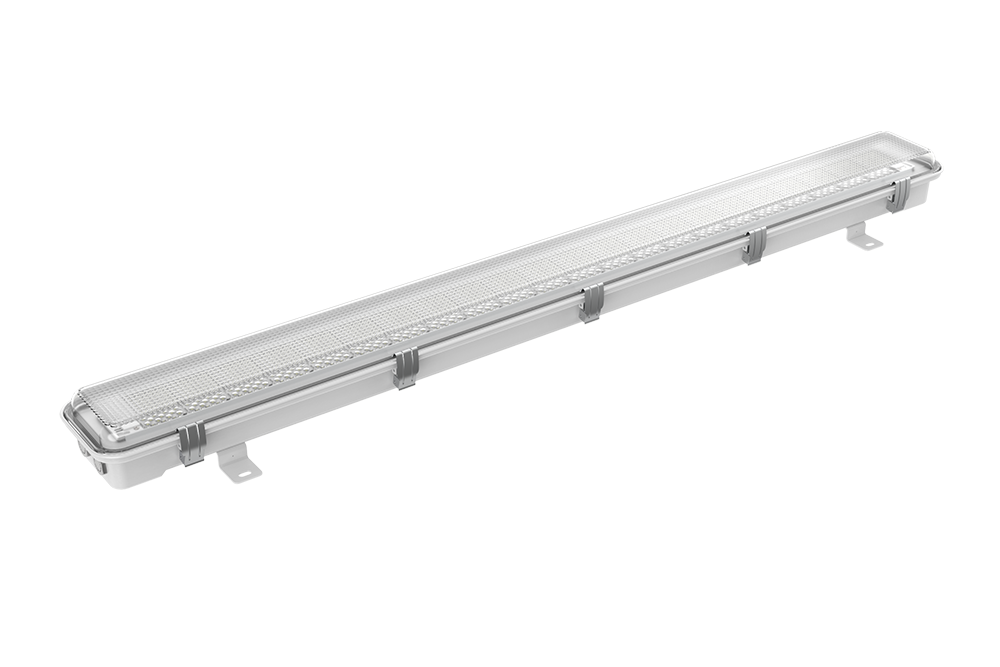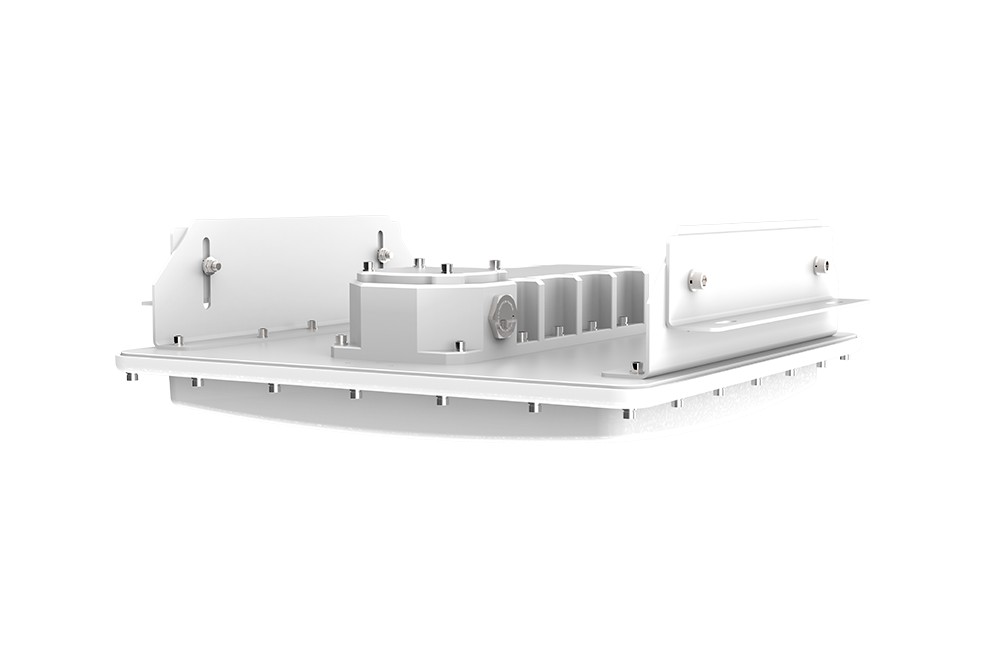
Beginning said piece studies several approaches regarding hazard-resistant units among commercial zones.
Working appropriately through dangerous zones like manufacturing facilities involves tailored implements with the goal to thwart likely occurrences. Detonation-proof lights are essential modules in similar arenas, built to withstanding ignitions, ignitable vapors, and volatile regions. Such instruments are not inherently protected; in contrast they are constructed to restrain any inside arc or emission and halt it from igniting a extended burst in the neighboring area. This summary discloses important facts about explosion-proof sources, their operations, and safety aspects for deploying them effectively.
Interpreting Explosion Proof Lighting Standards
Managing certain ignition-proof lighting protocols can be tough, especially for sectors handling hazardous zones. These directives – often supported by authorized bodies like the National Electrical Code (NEC), ATEX (Europe), and IEC – specify strict design and deployment processes to curb the risk of sparks from lighting devices. Understanding the standards is vital for ensuring personnel safety and conformity with applicable duties.
Luminescent Flame Proof Lighting Systems: Output & Safeguarding
Photonic ignition-proof lighting units exhibit a considerable enhancement over older halogen lighting in territories where catchable chemicals are exposed. These strong tools also deliver noteworthy reduced energy consumption, leading to lower expenditure, but specifically secure a improved level of preservation by avoiding the likelihood of sparks stemming from current breakdowns}.
Explosion Certified Hazardous Region Unsafe Proof Blast Radiance Flare Resistant} Fixtures : A Elaborate Digest
Explosion Proofed Hazardous Setting Risky Proof} Systems are distinctively constructed lighting techniques built to run safely within possibly detonable settings. These robust fixtures inhibit sparks, temperature and charge sparks from provoking a major explosion. They typically incorporate state-of-the-art designs, featuring specifically encased housings and by nature safe circuitry assemblies to provide safety benchmarks in fields like energy & natural gas processing, production plants, excavation operations, and chemical production.
Picking the Proper Explosion-Proof Luminaires for Unsafe Sites
Evaluating the ideal fire-safe units for a given exclusion zone necessitates precise scrutiny. Aspects such as the type (e.g., Class I, II, or III and areas A) shall be precisely reviewed to attain observance with related security laws. Excluding the site's fundamental exposures, consider surrounding situations, consisting of temperature and dampness, to determine a tough and stable solution. Regularly engage a professional engineer to lead your selection process.
Places Where Are Found Explosion Proof Lights?
Explosion-proof commonly known as intrinsically safe|hazardous location|Class-rated} lighting apparatus are absolutely needed in all areas where volatile fumes or particles could probably create a perilous atmosphere. This frequently includes fabrication conversion plants, protective layer application areas, harvest handling facilities, and effluent management treatment works. Regulations, such as those from UL and IEC, dictate their installation in these sectors to deter the risk of flaring and keep operational efficacy.
Upsides of Crystal-Based in Detonation Safe Systems
Upgrading to Photon Emitting technology for explosion proof luminaires offers a striking collection of pros. First, crystal lights boast a considerably longer service life compared to traditional vapor lights, reducing handling payments and stoppages. They are also fundamentally safer, producing minimal heat which abates the threat of flaring in dangerous atmospheres. Over and above, electroluminescent units are progressively efficient, leading to lower current draw fees and a diminished sustainable environmental cost. Finally, the sturdy design of Crystal-Based units withstands the tough circumstances typical of explosion proof areas.
- Expanded Service Life
- Attenuated Care Expenses
- Heightened Risk Management
- Abated Electrical Consumption
- Strengthened Resilience
Managing and Checking Explosion Proof Lighting Systems
Systematic servicing and careful review of spark proof lighting networks explosion proof lights are importantly vital for preserving risk prevention and curbing potential risks. This covers a scheduled review of all modules, such as luminaires, ducts, current conduits, and related connection enclosures. Notably, examine for corrosion, fabric deterioration, and secure bonding. What is more, guarantee that each signs are identifiable and that the light required by authorized regulations.
- Carry out eye inspections.
- Test power connections.
- Corroborate hazardous area certification.
Upcoming Trends of Explosion Proof Lighting Technology
Progressing landscape of explosion-proof sources technology guarantees a meaningful shift from traditional designs. Future systems will widely incorporate smart capabilities, enabling virtual monitoring, diagnostics, and responsive control. We imagine a strengthening adoption of semiconductor technology, not only for its primary energy efficiency, but also its ability to facilitate integrated sensors for identifying unsafe conditions. Additionally, materials analysis is propelling innovations in hardy shell materials, allowing for reduced weight and improved designs, while retaining the vital levels of precaution.
- Elevated battery life for conveyable applications.
- Assimilation with precautionary maintenance schemes.
- Implementation of auto-purging lens arrangements.