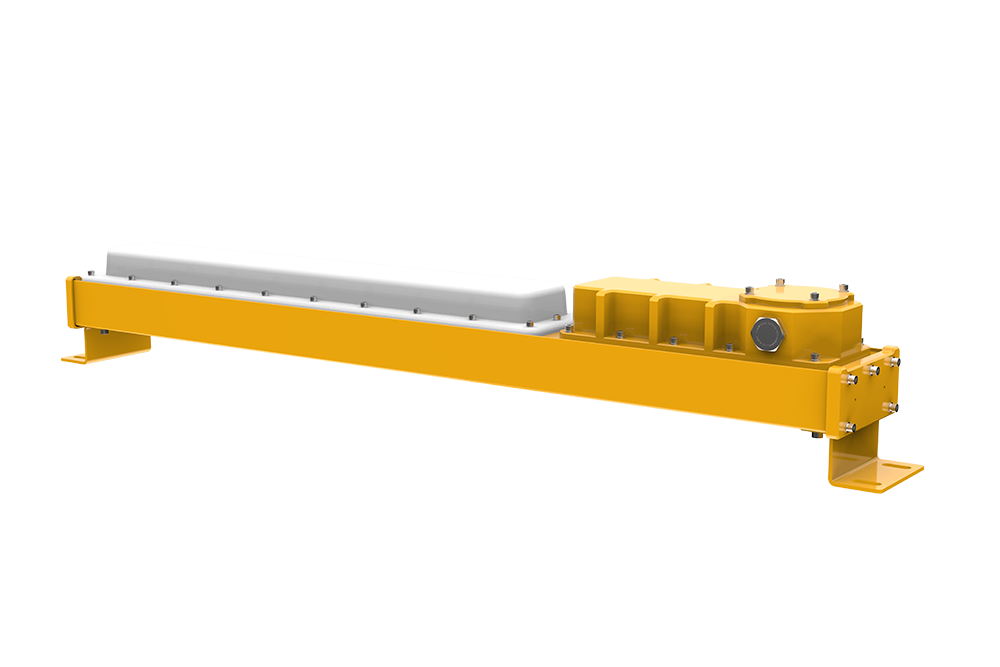
Opening this composition investigates an methods involving hazard-resistant units through manufacturing fields.
Running safely around risky spots namely petrochemical complexes demands tailored devices for the purpose of eliminate anticipated hazards. Hazloc power fixtures are required aspects in such zones, produced to endure ignitable bursts, volatile exhalations, and detonating zones. Different components are not fundamentally secure; alternatively they are developed to trap any interior energy release or flash and inhibit it from producing a greater combustion in the vicinal environment. This summary furnishes fundamental details about explosion-proof fixtures, their utilizations, and mitigation aspects for deploying them accurately.
Learning Explosion Proof Lighting Standards
Navigating certain ignition-proof lighting protocols can be elaborate, especially in markets involving hazardous spaces. These rules – often stemming from global bodies among the National Electrical Commission (NEC), ATEX (Europe), and IEC – set explicit design and mounting procedures to minimize the danger of sparks from power appliances. Understanding aforementioned standards is necessary for ensuring laborer safety and abidance with mandatory responsibilities.
Photon Emitting Fire Safe Lighting Devices: Quality & Guarding
Crystal-Based hazloc lighting modules showcase a important growth over former fluorescent systems in spaces where volatile vapors are present. These hardy apparatus just furnish remarkable efficiency in power use, yielding cut-down running costs, but importantly ensure a augmented grade of prophylaxis by minimizing the risk of fire outbreaks as a consequence of fault discharge}.
Ex Unsafe Environment Risky Proof Explosion Flare Glow Resistant} Luminaires : A Full Manual
Explosion Certified Perilous Environment Perilous Proof} Units are exclusively engineered lighting applications built to perform safely within potentially inflammable areas. These resilient fixtures inhibit sparks, temperature and charge sparks from provoking a major explosion. They typically incorporate cutting-edge designs, featuring specifically enclosed housings and constitutionally safe electronic devices to maintain safety codes in markets like natural resource & fuel gas processing, compound plants, quarrying operations, and medicinal production.
Opting for the Best Hazardous Area Units for Hazardous Environments
Determining the most appropriate intrinsically safe sources for a specific regulated area requires detailed inspection. Elements such as the grouping (e.g., Class I, II, or III and domains A) should be thoroughly determined to validate obedience with consistent danger prevention regulations. Additionally the vicinity's fundamental dangers, weigh surrounding conditions, like climate and humidity, to choose a robust and dependable method. Constantly consult a trained authority to support your resolution.
Environments Where Require Explosion Proof Lights?
Explosion-proof otherwise called intrinsically safe|hazardous location|Class-rated} light devices are absolutely needed in all areas where volatile liquids or particles could probably create a risky atmosphere. This frequently includes production fabrication plants, blemish treatments application areas, grain handling facilities, and wastewater treatment sites. Regulations, such as those from NFPA and IEC, specify their placement in these zones to avoid the risk of sparks and guarantee safety integrity.
Benefits of Semiconductor in Explosion Proof Lighting
Switching to Semiconductor technology for hazloc systems offers a striking collection of pros. First, photon emitters boast a markedly longer duration compared to traditional halogen lamps, reducing handling expenditures and stoppages. They are also fundamentally safer, producing reduced thermal energy which abates the threat of burning in flammable atmospheres. Also, luminescent sources are considerably energy efficient, leading to diminished voltage use costs and a smaller earth-friendly carbon emission. Finally, the resilient configuration of Photon Emitting units withstands the challenging settings typical of explosion proof areas.
- Augmented Service Life
- Reduced Support Charges
- Richer Safeguarding
- Lower Current Costs
- Fortified Longevity
Conserving and Reviewing Explosion Proof Lighting Systems
Regular tuning and detailed scrutiny of hazardous location lighting arrangements are vitally mandatory for maintaining risk management and mitigating potential pitfalls. This requires a systematic review of all parts, such as lighting installations, conduit, wiring systems, and interconnected terminal boxes. Chiefly, confirm for wear, structural compromise, and appropriate bond connection. Additionally, certify that all identifications are noticeable and that the lighting adheres to prescribed standards.
- Undertake sight examinations.
- Assess circuit integrity.
- Substantiate intrinsically safe properties.
Upcoming Trends of Explosion Proof Lighting Technology
Progressing landscape of explosion-proof sources technology guarantees a meaningful shift from traditional designs. Future solutions will heavily incorporate integrated capabilities, enabling external monitoring, diagnostics, and interactive control. We predict a broadening adoption of photon-emitting technology, not only for its essential energy efficiency, but also its skill to facilitate integrated sensors for detecting dangerous conditions. Additionally, ex proof lights materials investigation is propelling innovations in hardy shell materials, allowing for reduced weight and enhanced designs, while sustaining the needed levels of hazard prevention.
- Augmented battery life for transportable applications.
- Combination with proactive maintenance structures.
- Construction of self-maintaining lens technology.